Why Simplicity Matters
John Thomson (Director – SeaShield™) and Chiara Sorrentino MRSC (Technical Director) consider why simplicity is key when it comes to the practicality of plant and field joint coating compatibility in the May 2026 edition of World Pipelines Magazine.
A Practical View of Plant and Field Joint Coating Compatibility
The ideal pipeline coating system is often described as a single, continuous barrier, applied seamlessly along the entire pipeline length and tailored precisely to its service environment. In theory, such a system would eliminate joints and other perceived weak points, reducing opportunities for moisture ingress and corrosion. In practice, however, pipeline construction is inherently modular. Pipes are manufactured, coated, transported, welded, and commissioned in stages, often across multiple locations. As a result, the reality of pipeline protection is not a single coating, but a system composed of plant-applied coatings and field-applied joint coatings working together.
This reality has given rise to a commonly held assumption: that field joint coatings should closely “match” the plant coating to maintain continuity of performance. While the logic behind this view is understandable, it risks oversimplifying a far more complex challenge. Compatibility is not defined solely by chemical similarity or structural replication. It is equally shaped by application conditions, logistics, human factors, and the practical constraints of the construction environment. A more effective approach is to move away from the pursuit of sameness and towards a holistic assessment of suitability.
Plant coatings and the controlled environment
Plant-applied pipeline coatings are developed for application under tightly controlled factory conditions. Temperature, humidity, surface preparation quality, and application parameters can all be managed with a high degree of consistency. This enables complex coating systems to be applied reliably and repeatably.
A typical example is a three-layer polyethylene (3LPE) system, comprising a fusion bonded epoxy (FBE) primer, an intermediate adhesive layer, and an outer polyethylene jacket. During application in a coating plant:
• The pipe section is first abrasively blasted to achieve a clean surface and also to provide an anchor profile for the fusion bonded epoxy to adhere to. This level of surface preparation must be tightly controlled to ensure a successful application.
• The fusion bonded epoxy powder is then electrostatically applied onto the pipe section where the pipe section has been preheated to the required temperature so that the fusion bonded epoxy powder melts and chemical cross-linking occurs. The temperature of the pipe and epoxy powder must be precisely controlled to ensure adhesion.
• An intermediate co-polymer adhesive layer is then applied which provides a chemical bond between the fusion bonded epoxy and the polyethylene outer layer. This adhesive layer must be applied to the fusion bonded epoxy while the fusion bonded epoxy is still warm to allow the two layers to bond using strong covalent bonds.
• The polyethylene layer can then be applied, again at elevated temperatures so that its polymer chains intermix and bond with the intermediate layer and then after cooling form a combination of tightly bonded, well adhered layers.
Each layer is applied in sequence and the control of the elevated temperatures as well as other process factors, is key to achieving the strong chemical and mechanical bonds required for system performance. The result is a durable, well-adhered coating system that provides excellent resistance to moisture ingress, oxygen diffusion, and cathodic disbondment.
However, because this performance is achieved through specialised equipment, significant energy input, and carefully controlled conditions, these same factors make direct replication of the plant coating process in the field impractical in many cases.
The realities of field joint application
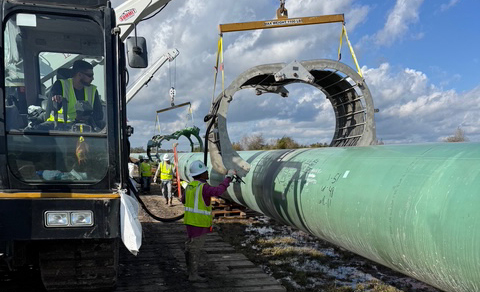
Field joint coatings must be applied at the pipeline construction site, where conditions are inherently less predictable (see Fig 1). Weather, access, logistics, workforce skill levels, and programme pressures all influence the quality and consistency of application. Even when mitigation measures are put in place, such as temporary shelters or environmental controls, field conditions rarely approach the stability of a coating plant.
Systems such as epoxy heat shrink sleeves (see Fig 2). are designed to bridge this gap. By combining a thin epoxy layer, a bonding adhesive, and a heat-shrinkable polyethylene outer layer, they aim to replicate the functional elements of a multilayer plant coating. Yet they still require surface preparation, preheating, and controlled application to perform as intended. Many of the same sensitivities therefore remain.
Experience across the industry consistently shows that coating failures are far more likely to arise from inadequate surface preparation or application error than from fundamental material defects. This is particularly true for field-applied coatings, where complexity increases the opportunity for variability. From a risk perspective, simplicity matters.
Application suitability as a design parameter
If field joint coatings were selected in isolation, without reference to the plant coating, the primary considerations would be service performance and ease of application. Coatings that tolerate wider temperature and humidity ranges, require less onerous surface preparation, and rely on minimal specialist equipment are inherently more forgiving (see Fig 3 and Fig 4). They reduce dependence on ideal conditions and lower the likelihood that minor deviations during application will translate into long-term performance issues.
This does not imply that compatibility with the plant coating is unimportant. Rather, it suggests that compatibility should be understood in functional terms: the ability of the combined system to perform reliably over the pipeline’s design life, not simply the degree to which one coating resembles another.
A field joint coating that performs exceptionally well in service but proves difficult to apply consistently under site conditions may ultimately present a higher risk than a system that is marginally different in composition but robust in application.
Environmental and logistical constraints
Environmental sensitivity is a critical factor that is sometimes underestimated. A coating system that performs well under controlled conditions may be ill-suited to application in a tropical climate during the rainy season, or in desert or arctic environments where temperature extremes dominate. While protective measures can be introduced, they add cost, complexity, and time, and may themselves introduce new risks.
Logistics also play a significant role. Some field joint coating systems rely on heavy or specialist equipment to achieve the desired performance (see Fig 5). Deploying such equipment in remote locations requires energy, transport infrastructure, and additional personnel. In urban or residential settings, noise, disruption, and working-hour restrictions may further complicate matters.
Skill of personnel required for the application of the field joint coating. Highly skilled personnel are a valuable asset, but if the success of a project relies on their abilities, there is vulnerability of disruption if they leave the project for any reason. How quickly and easily can they be replaced to enable continuation of the project? If the project is in a remote location, can a local workforce be successfully and quickly trained in the application of a simple field joint coating system? Is this a more practical approach than relying on a highly skilled but potentially scarce workforce?
These considerations extend beyond technical performance. They influence health and safety exposure, environmental impact, and the social footprint of a project. Increasingly, these factors are becoming integral to project decision-making rather than secondary concerns.
Rethinking “best practice”
Standards such as ISO 21809 provide essential guidance by defining minimum performance requirements and compatibility criteria for both plant and field joint coatings. They form a necessary foundation for coating selection and qualification. However, compliance with standards alone does not guarantee success in the field.
A more comprehensive evaluation considers multiple dimensions simultaneously:
- Design and service performance, including long-term durability and compatibility with the plant coating.
- Application robustness, taking into account environmental conditions, surface preparation methods, and workforce variability.
- Efficiency of installation, including not only coating application time but also preparation, equipment movement, and weather-related delays.
- Health, safety, environmental, and social impact, encompassing risk elimination, waste generation, energy consumption, and community disruption.
Viewed through this lens, the concept of a “matching” field joint coating becomes less absolute. The question shifts from “Does this coating replicate the plant coating?” to “Does this coating enable the overall system to perform reliably under real project conditions?”
A pragmatic definition of compatibility
The industry’s traditional emphasis on continuity and uniformity has delivered many successful pipeline projects, and the underlying principles remain sound. A continuous barrier is still the objective, and compatibility between coatings remains essential. What is changing is the recognition that continuity does not require identicality.
Plant coatings and field joint coatings serve different purposes and operate under different constraints. Expecting them to behave as interchangeable components can lead to unrealistic expectations and, in some cases, unintended risk. In practice, the most effective field joint coating is often not the one that most closely mirrors the plant coating in chemistry or structure, but the one that delivers consistent, repeatable performance when applied by real people, in real conditions, on real projects.
Conclusion
As pipeline projects become more geographically diverse, environmentally scrutinised, and schedule-driven, the ability to balance technical performance with practical execution becomes increasingly important. Field joint coating selection sits at the intersection of these demands.
A shift towards holistic evaluation, grounded in realism rather than idealisation, allows coating systems to be selected not just for how they perform in theory, but for how they perform in practice. In doing so, the industry can move beyond the narrow goal of “matching” the composition of the field joint and mainline coating, towards the recognition that selection of field joint coating application must be informed by performance and installation considerations. Before embarking on a complex process of field joint coating ask yourself, “is there a simpler solution?”. Sometimes simplicity matters.


Fig 1. A liquid coating application in low temperature conditions.
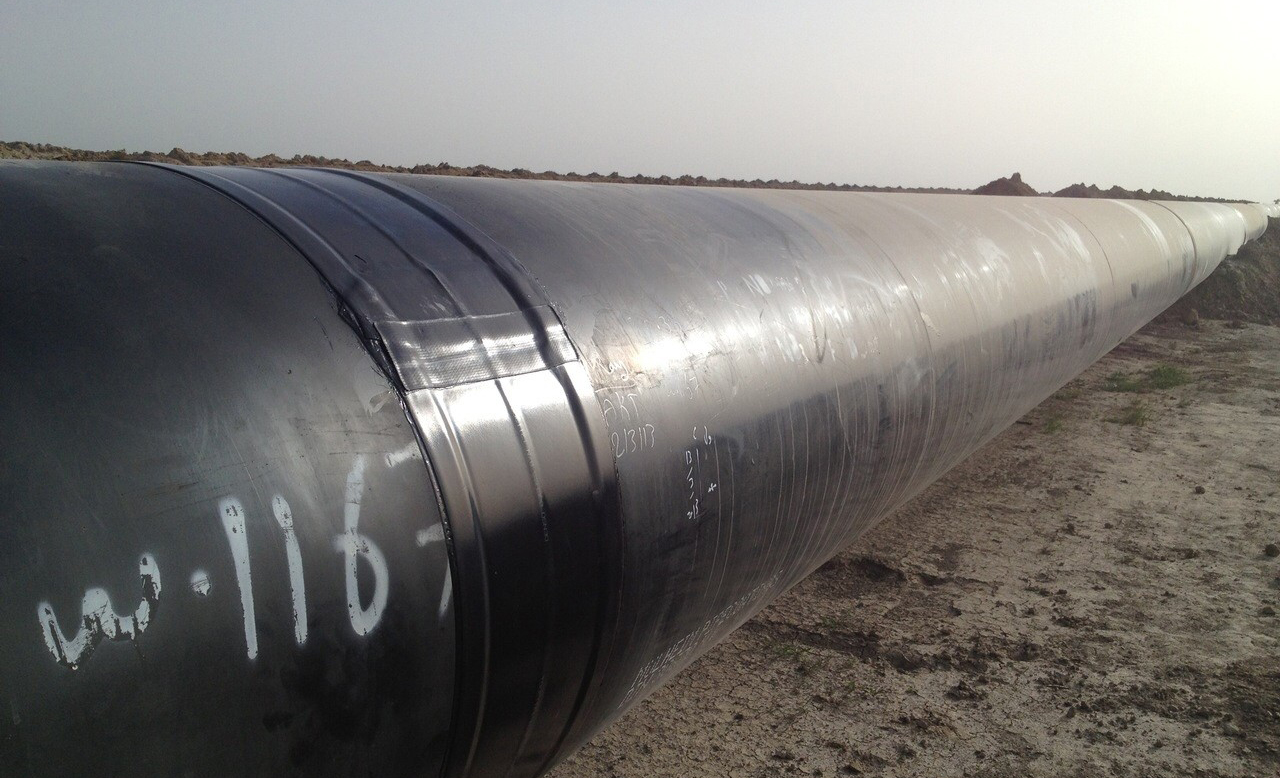
Fig 2. An epoxy heat shrink sleeve applied over 3LPE.
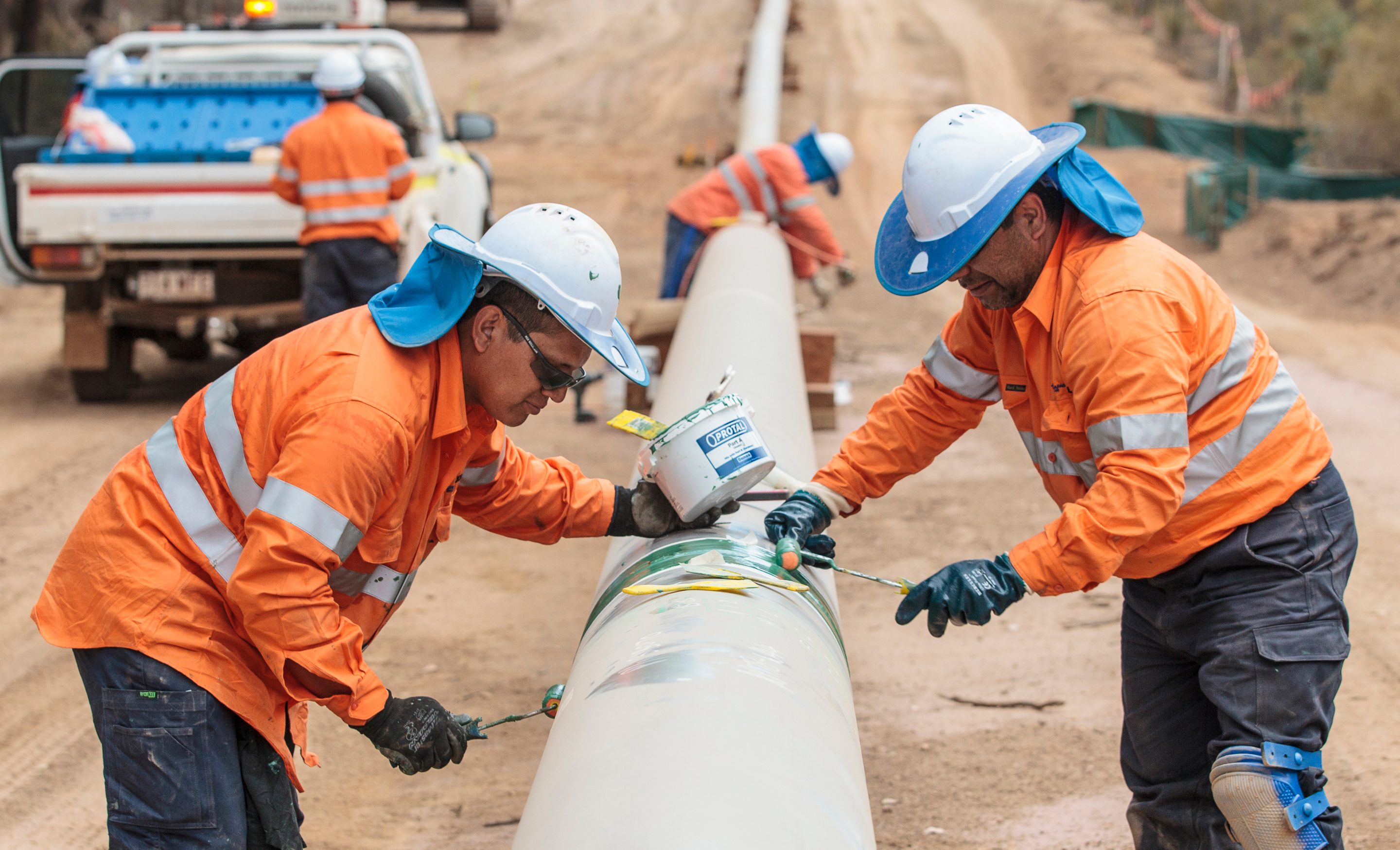
Fig 3. Denso Protal 7200™ roller applied in the field with minimal equipment.
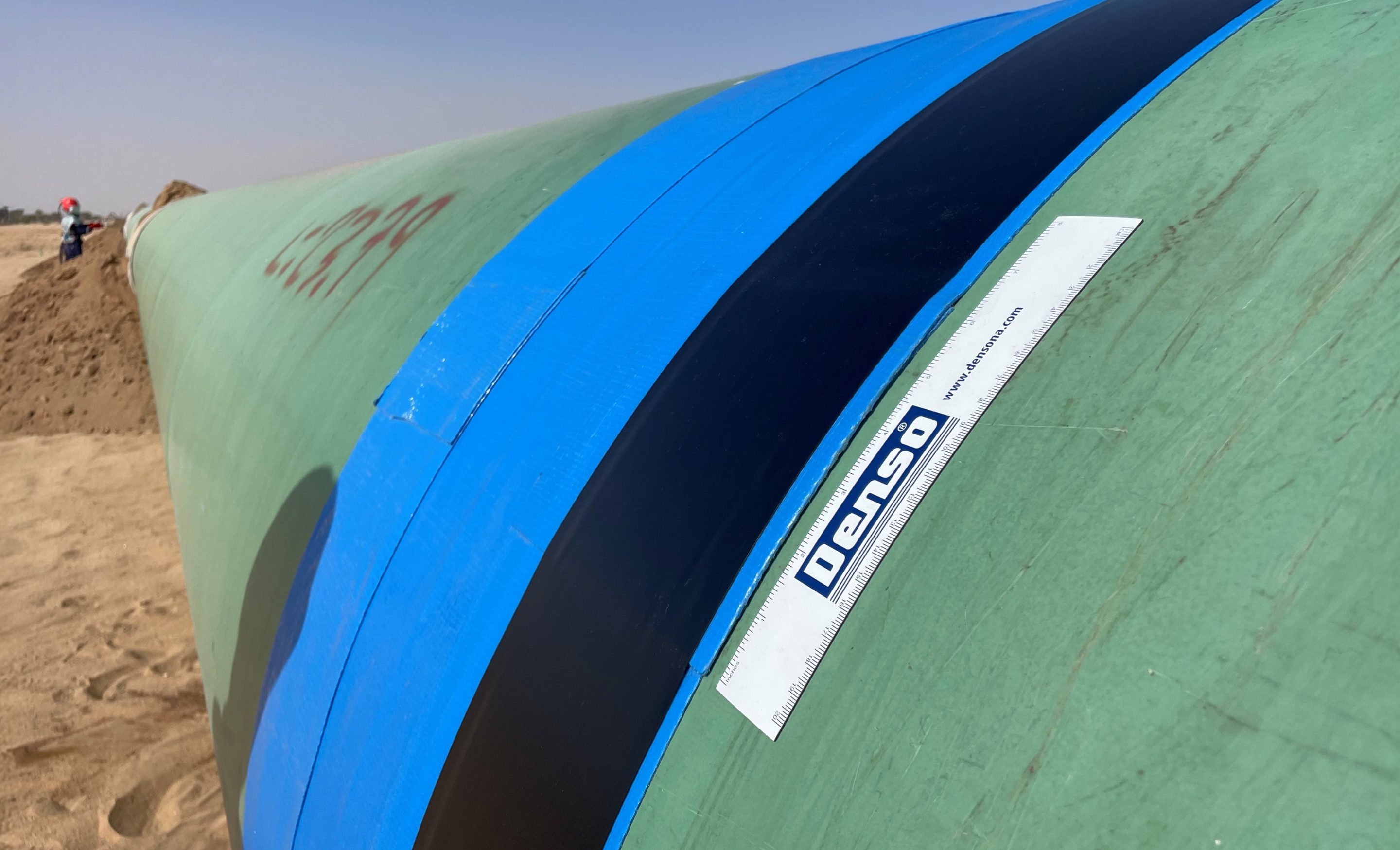
Fig 4. Denso Viscotaq™ provides effective protection with minimal equipment.