Setting New Standards for Epoxy Coatings
Glen Grundberg, General Manager of Denso North America Inc., Canada (a member of Winn & Coales International Ltd), explains the rigorous training and certification process for liquid epoxy coatings in Canada. This article was featured in the April 2024 edition of World Pipelines Magazine.
During the late 1990s, the Canadian pipeline market required a new and improved high build, fast curing epoxy that could be applied to work with factory applied Fusion Bond Epoxy (FBE) coatings. The liquid epoxy needed to be capable of being applied in both summer and winter, with significant steel preheat. Moreover, the application process had to be relatively simple and require minimal training. In response to this demand, Denso North America developed Protal 7200™ – as an improvement on our existing Protal 7000 liquid epoxy coating – to meet the said requirements.
Meeting industry demand
Protal 7200 is a two-part liquid epoxy coating that is VOC-free, 100% solids, and specially designed to complement FBE coated pipes. It is a high-build liquid coating – providing up to 70 mils (1778 microns) in a single coat – that can be applied in either the field or the shop. It cures rapidly, allowing for quick handling and backfill times; can operate at temperatures up to 95°C (203°F); and is our signature liquid coating that is the preferred choice for many of our customers to the present day.
Protal 7200 is designed to be applied using brush, roller or spray application methods. It has always been extremely important to every subsidiary operating within the Winn & Coales International Ltd. (WCI) group of companies that our customers feel confident in applying our range of corrosion prevention systems and we take great pride in training teams to the highest spray application methods. It has always been extremely important to every subsidiary operating within the Winn & Coales International Ltd. (WCI) group of companies that our customers feel confident in applying our range of corrosion prevention systems and we take great pride in training teams to the highest standard in application methods. With this ethos in mind, and to ensure proper application of our new liquid epoxy coating, a training specification was first created for the brush grade application of Protal 7200. Site training was deemed a crucial element of the specification as many applicators had no prior experience with liquid epoxy application – plus, most of the work was being undertaken on-site.
During the application training of Protal 7200, the first step was defined as ensuring proper surface preparation of the substrate was completed before any other work was started. This process began with surface cleaning, followed by abrasive blasting to produce an angular profile of 2.5 – 5.0 mils, with the abrasive blasting completed to produce a near-white finish (SSPC SP-10, NACE No. 2 or Sa 2 1/2). The substrate temperature range for the application of Protal 7200 was recognised as between 50°F (10°C) – 212°F (100°C). Before proceeding with the coating operation, the substrate temperature had to be seen to be at least 5°F (3°C) above the dew point temperature. This application specification was revised as required, and the training was based on this specification.
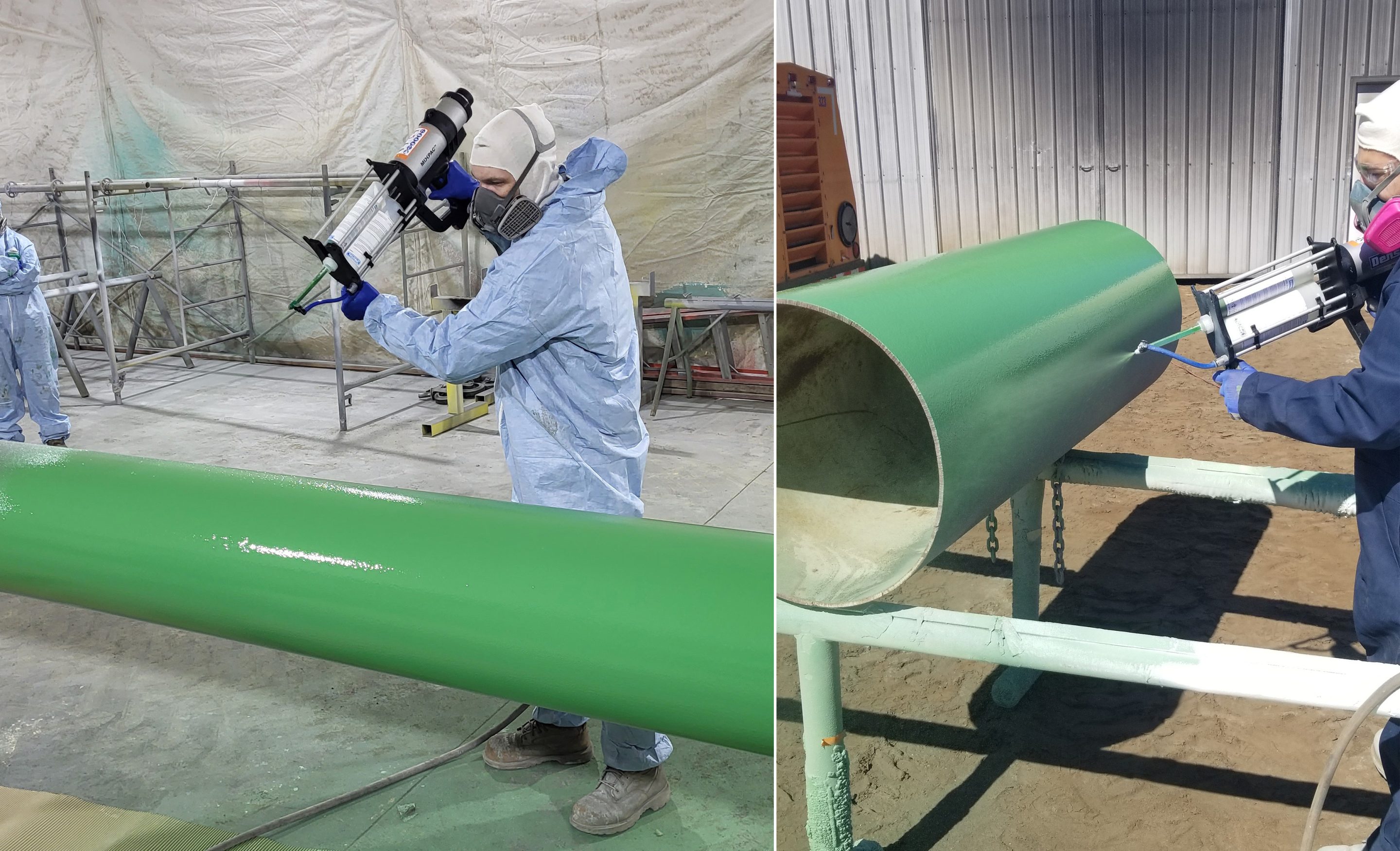
The market also demanded a spray grade version of Protal 7200, which could be used in plural component sprayers to mix and atomise 100% solids epoxies. However, using this version of the system required additional training and testing to ensure proper application and performance. To address this, Denso North America Canada developed a spray application approval programme which mandated that a spray applicator intending to administer Protal 7200 complete both theoretical and practical training before undertaking any work using the product. The theoretical training included reviews of product data sheets, material safety data sheets (MSDS) and the spray application specification, while the practical training included surface preparation followed by the application of Protal 7200, as per the spray application specification. The applied panels were then sent to a third-party test lab, where cathodic disbondment and hot soak adhesion testing were performed. Based on the results of these tests, the application company was either deemed to have passed or failed.
A new standard for field-applied coatings
In 2014, the Canadian Standards Association Group (CSA) introduced the CSA Z245.30-14 standard for field-applied external coatings for steel pipeline systems. This standard covered the application of coatings and related activities for steel piping, both in the field and in the shop, and set higher minimum requirements for manufacturers, applicators, and owner groups to attain to. These minimum requirements included performance obligations for coating manufacturers to comply with, as well as applicator training, documentation, and more.
CSA Z245.30-14 covered seven types of coating systems, with liquid epoxies designated as an FC1, FC2 or FC3 system. The CSA standard required coating manufacturers to test their epoxy liquid coatings to specific performance requirements. These test requirements included items such as thickness, shore D hardness, cathodic disbondment, flexibility, impact, adhesion, and gouge resistance. This specification has since been updated and has been revised every four years, with the most recent version published as CSA Z245.30-22.
Protal 7200 underwent thorough testing to meet the newly specified requirements and successfully passed all of them. The next step, as per CSA Z245.30-14, was to ensure the proper application of liquid epoxy coatings. This requirement was designated as the Manufacturers Qualified Application Procedure (MQAP) and outlined several requirements that applicators must comply with, including training and certification, necessary tools, surface preparation, preheat methods, substrate temperature, ambient conditions, coating application, curing, recoating, time to backfill, and other essential requirements.
Denso North America Canada therefore met these obligations and created an MQAP which was compliant with the CSA Z245.30-14 standard and is still used to the present day (now in accordance with the revised CSA Z245.30-22 standard). The training for brush, repair and spray cartridge applications outlined in our MQAP once again begins with theoretical training that includes a review of product data sheets, MSDS and the MQAP. After this, the applicator is required to complete the practical application of Protal 7200 according to the MQAP. Once the application is complete, the Protal 7200 undergoes inspection as required by Table 6 in the standard for systems FC1, FC2, and FC3. Upon successful completion of the qualification testing, the application company creates a record of the applicator’s qualification. Additionally, the applicator would also keep a logbook containing information such as the applicator’s name, the application company, project reference, date, type of coating, MQAP, and any other pertinent information. This requirement can be found in CSA Z245.30-22 in section 6.1.3.2.1.
A new wave of trainers
Application training for Protal 7200 required a significant effort from our team due to the sheer number of applicators that required training upon the CSA standard’s release. Denso North America Canada therefore worked with owner groups to develop a programme to train specific approved applicators to assist with training as well. This training was developed as the Denso Application Company Approved Trainer (ACAT) programme and, much like our MQAP, is still implemented today. This programme requires the potential ACAT to have acquired (as a minimum) an AMPP Coating Inspector Programme (CIP) Level 1 Coating Inspection Certificate. The potential ACAT must also be able to generate their own certification cards, build their own database, and conduct a training course supervised by an authorised Denso North America representative. Each ACAT certificate is authorised to be compliant only if the trainer stays with the same application company and is not designed to be transferable when the trainer moves to another organisation.
In adherence to the CSA Z245.30-14 standard, Denso North America Canada also had a requirement to enhance the process of approving spray application companies as well. To improve the proficiency of spray applicators, we developed the Denso North America Canada Qualification Process for Shop and Field Plural Spray Application Companys. This approval requires a higher level of training and applicator competency; a process that involves several steps that must be completed before the spray application approval process can begin.
First, the proposed application company submit a formal request for approval to us (by email) along with a copy of their company’s quality management system (QMS) manual – which must reference compliance to the most recent version of CSA Z245.30. We will then review and determine if the QMS manual is compliant and if an approved application company is required in their local geographical area. If an approved application company is not required in their locale, the proposed application company can still seek approval with the written request of an appropriate owner group or general contractor requesting the company be considered for approval. To maintain our reputation for only approving companies who observe the highest levels of compliance to their QMS and the CSA standard, along with a genuine need for a company with this qualification to operate within their local geographic area, Denso North America Canada will not approve application companies that do not meet the approval criteria.
The proposed application company will then be informed of a site visit to be conducted by a representative of Denso North America Canada. During the visit, the representative will request a resume or work history of the spray applicator(s), including any relevant qualifications such as AMPP CIP certificates. Additionally, the representative will also conduct a protal application company qualification report.
Once the application company is granted permission to proceed, the company must purchase an 800 l kit of Denso Protal 7200 Spray Grade and the Denso North America Canada representative will complete the theoretical training and a review of the Protal 7200 Spray Grade MQAP. Once the theoretical training is complete, our Denso representative has the proposed applicator abrasive blast a pipe with an approved abrasive followed by a plural spray application of Protal 7200 on an NPS 6 in. – 10 in. pipe sample with a minimum 4 ft of acceptable coating. This application is completed as required on the Protal 7200 Spray Grade MQAP.
A Denso representative is present for the spray application of the appropriate coating, which is applied in accordance with the Denso Protal 7200 Spray MQAP and all parameters are documented by the proposed application company on a Denso North America underground coating inspection report (or an equivalent coating inspection report, including that of a specific owner group or end user who have submitted the company by request).
Once the pipe has been coated and inspected, the pipe coating sample and underground coating report is shipped to an independent test facility designated by Denso North America Canada. The samples will again undergo cathodic disbondment and hot water adhesion tests which include a range of temperature and duration requirements that each sample must meet. The results of each test will need to satisfy the acceptance criteria of Denso North America Canada before approval is given.
An ash test has also been developed to determine if the applied coating sample has been applied in the correct ratio. We have defined that this test is to be completed on a cured sample of the spray applied Protal 7200 and is given a straight pass or fail result. To be considered for qualified application company approval, each sample must pass this test.
After the laboratory testing is complete, the application company will be notified in writing regarding the status of the tests: whether the pipe samples have passed the required test criteria and if the application company has been approved. If approved, the company will receive a certificate stating their approval as a Denso approved plural spray application company.
Setting and maintaining the standard
Since the introduction of CSA Z245.30-14, the initial training and approval process for applicators has been significantly improved and the requirements for manufacturer compliance have helped to set a higher level of performance upon liquid epoxy pipeline coatings in general. The additional requirements for training have also ensured that more applicators are operating at a competent level which allows them to correctly apply these high-performance epoxy coatings and achieve the best possible results in terms of performance and project longevity.
Denso North America Canada is committed to following these requirements, with numerous approved application companies and hundreds of approved applicators operating across North America. We’re extremely proud to have earned our position as leaders within the field of corrosion prevention and will continue to maintain and honour the high levels of trust, quality and consistency placed on our products and processes by our customers. Our Protal liquid epoxy coatings have been the tried and trusted choice of pipeline operators for over 35 years, and we continue to work tirelessly to ensure that coatings such as Protal 7200 continues to be the preferred choice for owner groups and contractors worldwide.
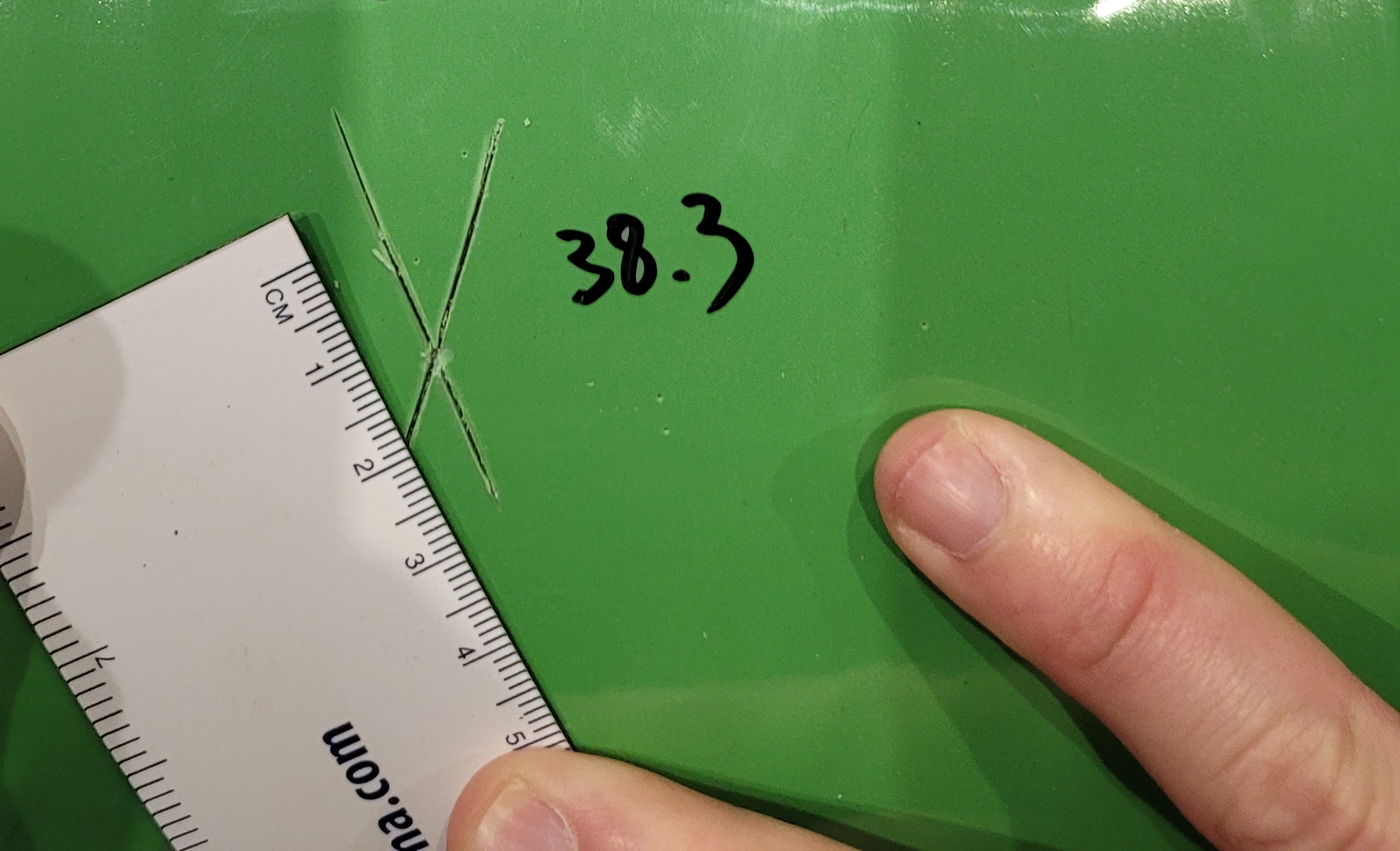
Fig 1. Protal 7200™ applicator coating inspection.
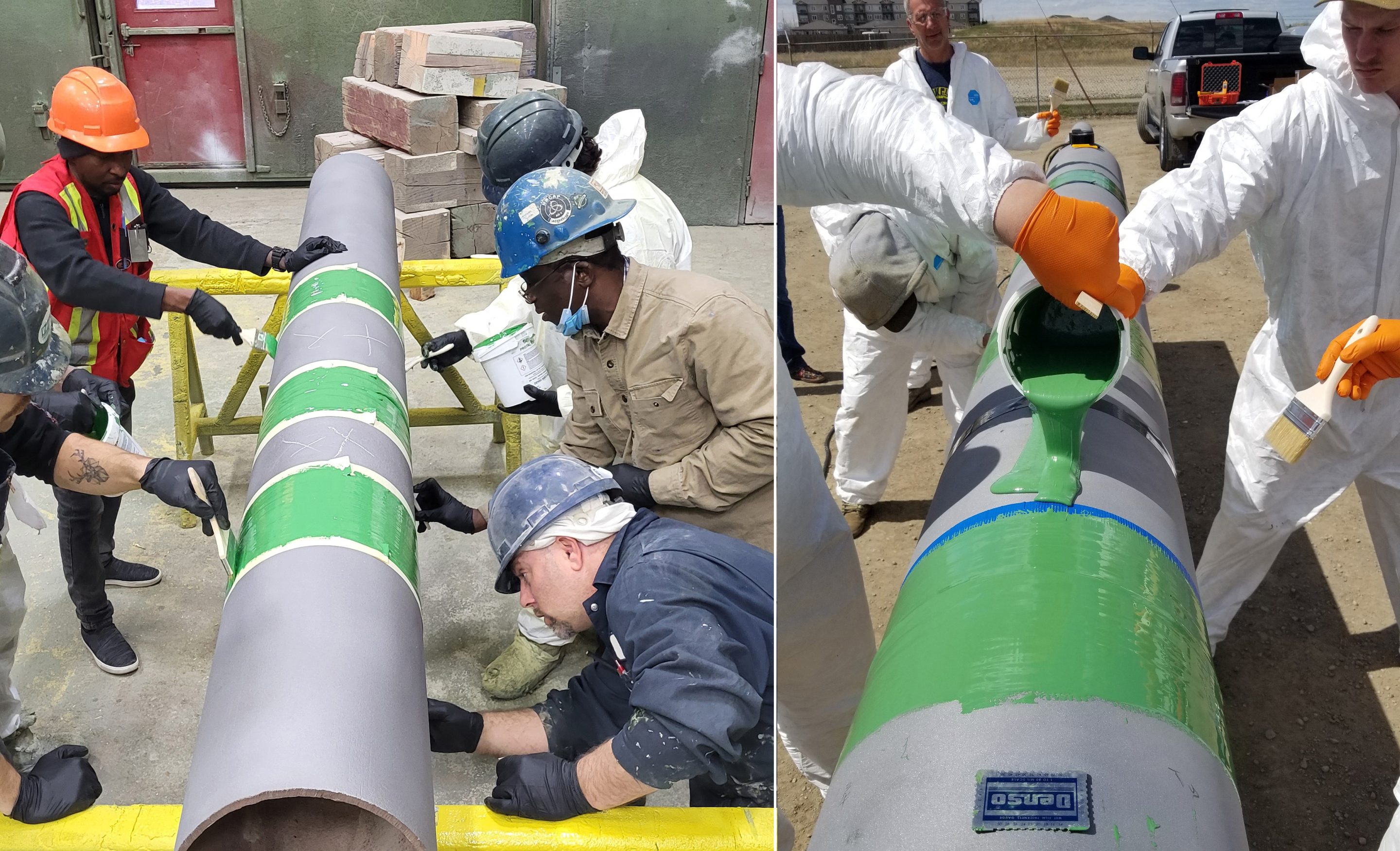
Fig 2. Protal 7200™ brush application training.
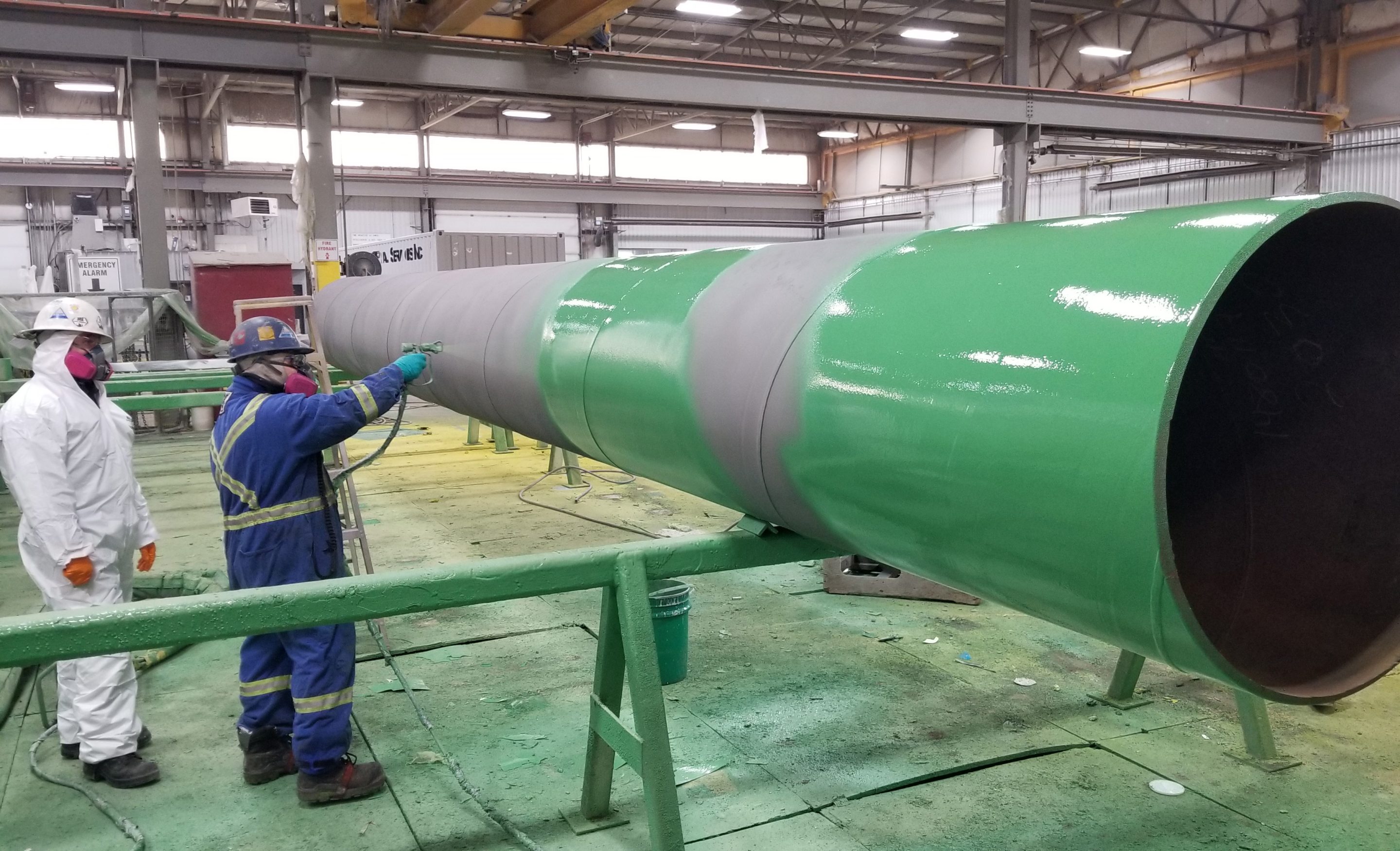
Fig 3. Denso Protal 7200™ plural spray application training.