Select Page

Corrosion and Coatings Q&A

Chiara Sorrentino MRSC (Technical Director) and John Thomson (Director – SeaShield™) recently appeared in the January edition of World Pipelines Magazine for a Corrosion & Coatings Q&A covering the changing energy landscape and how coatings manufacturers are adapting to these evolving needs.

Looking ahead to 2026, what are the major corrosion and integrity challenges pipeline operators are bringing to you most often? Are these challenges different from what you were hearing five or ten years ago?

We have existed as a business since 1883; we take the long view. The much-awaited arrival of the hydrogen economy is following the same pattern of energy transition as the last 100 years. UK electricity generation in that period has seen considerable upheaval. But with each successive technological change the period of technological induction from initial onset to widescale adoption has spanned about 30 years. Of course, existing natural gas consumption is not only in electricity generation but is spread across domestic, commercial/industrial and transport sectors as well. The opportunities for hydrogen substitution face considerable efficiency, safety and infrastructure challenges especially in domestic and transport use sectors. It is highly commendable that pipeline operators strive to use existing infrastructure for new purposes. This not only makes economic sense but helps contribute to sustainability goals. We are actively working to support these new developments as well as ensuring continued support for existing requirements.

How have changing regulatory pressures, climate considerations, and the rise of CCUS/H₂ projects shaped operator expectations of coating performance?

The rise of carbon capture utilisation and storage (CCUS)/H2 will require the completion of many engineering validations to ensure the suitability of the existing pipeline network and the new additions to be incorporated within it. We feel that it is essential that coating manufacturers are included in these engineering validations to ensure a holistic view is taken of the use of coatings in a CCUS/H2 network.

We have been asked, “Are your coatings hydrogen ready?”, however this is not a simple question to answer, and anyone claiming that it is should be asked for justification. The question is not just on the effect of hydrogen on the coating, for example, but on how the use of the pipeline will change: what temperatures will it now operate at? Will new operating pressures potentially create temperature changes, or similar, that were previously unexpected?

Laboratory testing combined with field validation is a proven way to demonstrate the suitability of a coating for the intended purpose and this should be widely undertaken. While international and national standards also help shape development of coatings, these often follow developments in the market, rather than lead the market to the developments. As a company we are committed to assisting pipeline operators in achieving their objectives through collaboration.

Many operators now want coatings that provide long-term stability while reducing VOCs and environmental impact; how do you balance high performance with sustainability requirements?

Many suppliers have existing coatings that contain VOCs and work to reduce the quantity of VOC by reformulating the products according to market demands. In contrast, we have designed coatings that are inherently VOC free. While this provides obvious benefits to the pipeline operator, it also provides benefits to us as a manufacturer; a reduction in VOCs benefits the staff in our factory with improved working conditions, increased safety and reduces our impact on the local community. Eliminating VOCs from their products is something any reasonable company should be working towards.

We do not see reduction or elimination of VOCs as the only way to improve the sustainability of our product. For over 90 years we have manufactured and supplied types of coatings with some of the lowest surface preparation requirements of any coating available. We continue this with our new coating developments, working towards achieving the same performance on a surface that is prepared without abrasive blasting as one that is. These benefits contribute not only towards improved sustainability but also towards improved operator safety, another key ESG goal that all companies should be working towards.

Throughout these developments, we ensure the high performance of our coatings is maintained by benchmarking them against the requirements of international and national standards, undertaking long term testing and continued collaboration with valued partners who enable field validations of these new developments.

Can you describe any advancements you have made in field-applied or rehabilitation coatings? 

We have been supplying a high build epoxy coating (Protal) for 40 years which has been extensively used in pipeline rehabilitation. Typically, this is done on pipelines where the existing coating was a Coal Tar Epoxy or similar coating that is no longer available, and which is being replaced with a VOC-free epoxy coating with a greatly reduced environmental impact.

We are increasingly using our viscoelastic range of coatings for rehabilitation. The Viscotaq range of coatings is highly user friendly, due to the simple surface preparation requirements, ease of application in a wide range of environments, and fast return to service due to their typically being no cure time to any component in the system.

What are the most common mistakes or oversights you see during coating application in the field?

Three common mistakes are incorrect material selection, incorrect surface preparation, and insufficient consideration of the environmental conditions. Generally, all these mistakes are avoidable. All coatings manufacturers should be happy and able to provide guidance at the design stage in what would be the appropriate products or systems for a particular project. Once the system is known, the manufacturer can also provide guidance on how to complete suitable surface preparation and how to suitably manage the environmental conditions to ensure a successful coating application.

Much of this comes down to engagement and collaboration. We offer training to help ensure the system is applied correctly according to our instructions, and we are also always prepared to assist at the design stage to try and get the correct products specified, even if that means on occasion, we have to say we do not have a suitable product or system for the project.

How do you address the demands of difficult environments?

We are fortunate that our range of products covers a wide variety of environments, so we are able to tailor those products to create a system that will be suitable for almost any environment. By collaborating with operators and encouraging the open sharing of information, we can identify the difficulties that need to be overcome and mutually agree on the best solution to resolve them.

Can you share any recent project examples that highlight the strengths of your coating systems in challenging applications?

Our Viscotaq range of viscoelastic coatings have recently been used on several projects, all with very different requirements, highlighting the versatility and adaptability of this range of products.

One of our viscoelastic systems was applied as a factory coating to a large diameter (1200mm & 1400mm) 12km water pipeline (Fig 1,2 and 3). The system’s ability to ‘self-heal’ was a key factor in its selection, with the speed of application also of great importance. The two layer system of viscoelastic inner layer and PE outer layer was cold applied and had no cure time, meaning the coating application could keep up with the rate of surface preparation.

Another of our viscoelastic systems was applied as a field joint coating to a large diameter (1422mm) 300km onshore pipeline, buried in the desert of the GCC. The simple application of the system made it very contractor friendly, allowing for a fast completion of each field joint (Fig 4.).

A third viscoelastic system was applied as a field joint coating to offshore pipelines 304mm and 355mm in diameter with a combined length of 60km (Fig 5.). The pipelines were operating with a potential peak service temperature of 115°C requiring a specialist system. The system also had to be installed very quickly to meet the tight schedule of the lay barge. The system was combined with a project specific installation method to ensure that the project schedule was met and minimal repairs required despite the harsh operating environment on the lay barge.

A common theme with all these projects was speed of application; this is achieved with simple application methods and low surface preparation requirements. This means that our viscoelastic systems can often be applied faster than traditional coatings, giving a key opportunity for savings, in almost any environment.


image showing World Pipelines Magazine coatings & corrosion collage.
Pipe lengths coated with Denso™ Viscotaq™ tape wrap system at a pipe mill
Fig 1. Pipe lengths coated with Denso™ Viscotaq™ tape wrap system at the pipe mill.
Denso™ Viscotaq™ coated pipe lengths in storage at a pipe mill yard, awaiting delivery to the pipe construction site
Fig 2. Denso™ Viscotaq™ coated pipe lengths in storage at the pipe mill yard, awaiting delivery to the pipe construction site.
Successful installation of Denso™ Viscotaq™ coated pipes through rough terrain in KwaZulu-Natal, South Africa
Fig 3. Successful installation of Denso™ Viscotaq™ coated pipes through rough terrain in KwaZulu-Natal, South Africa.
Large diameter (1422mm) 300km onshore pipeline in the GCC coated with Denso Viscotaq
Fig 4. Large diameter (1422mm) 300km onshore pipeline in the GCC coated with Denso Viscotaq™.
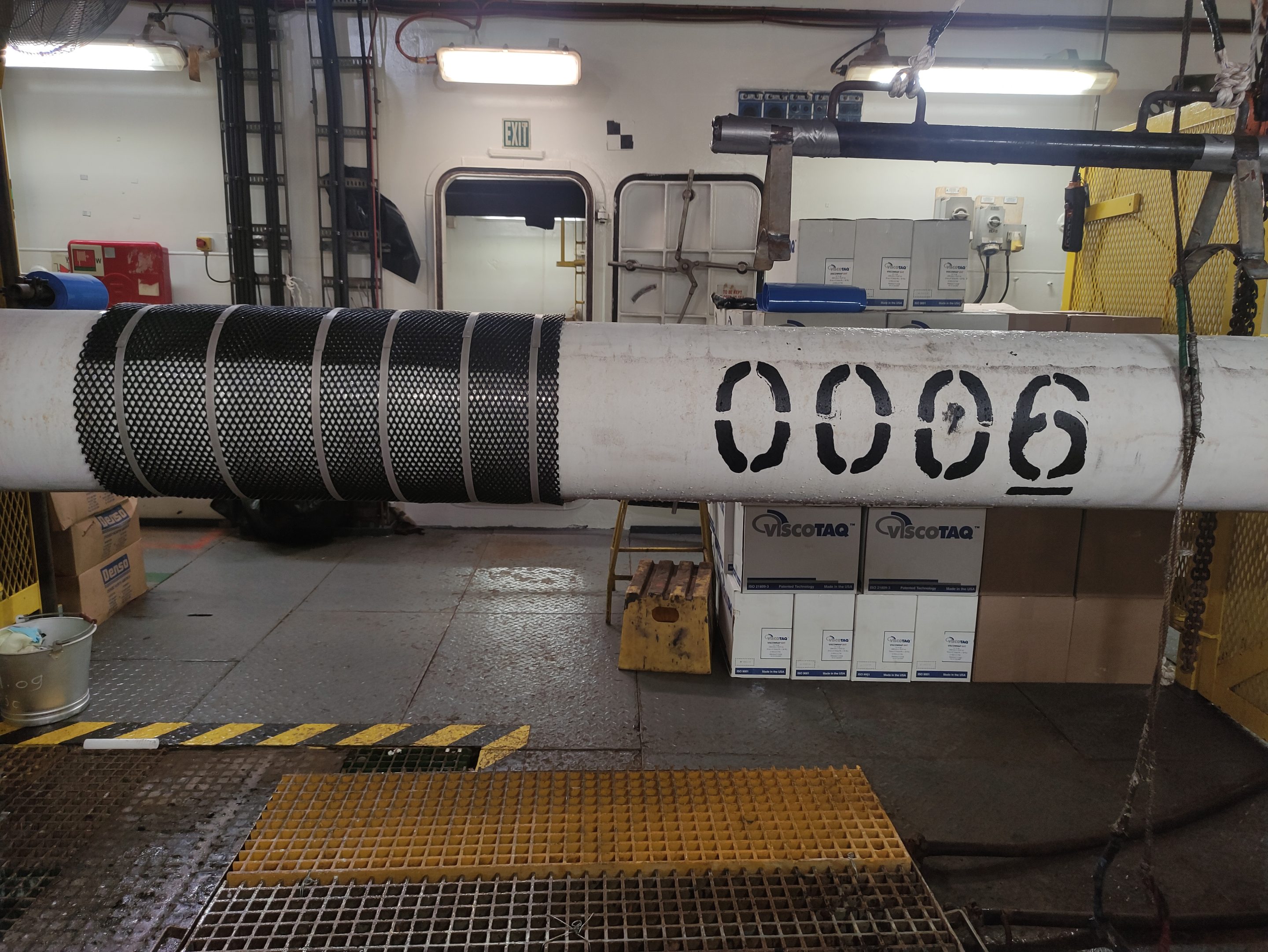
60 km offshore pipeline coated with the Denso Viscotaq Offshore Field Joint Coating System.
Fig 5. 60 km offshore pipeline coated with the Denso Viscotaq Offshore Field Joint Coating System.

Edwin Welles, Vice President – Denso Viscotaq™, discusses visco-elastic technology: a monolithic, amorphous coating transforming pipeline protection.

Pipelines play a critical part in supporting our way of life. In the USA alone there are a total of 3 million miles of natural gas pipelines, and 2.2 million miles of water pipelines supporting the infrastructure to fulfil our demands in basic functions we take for granted daily, such as available energy and water. The infrastructure is ageing, however: for example, over 50% of the pipelines were built in the US 40 years ago, or longer. Without coatings and cathodic protection systems, the majority of this infrastructure would have had to be replaced by now. The cost to rebuild pipeline networks would be astronomical; that is why companies and governments invest in protecting their pipelines to extend the life of these assets as long as possible.

The growing market for pipeline coatings

The total market globally for pipeline coatings was valued at US$8.4 billion in 2024, and is expected to grow to US$15.1 billion by 2033. New technologies such as viscoelastic coating systems have established markets in niche areas within this industry, such as replacing or repairing old pipe coatings, coating weld seams at new pipeline projects and coating transitions between underground and aboveground pipelines (soil-air interface). Market share and revenues have grown rapidly over the past two decades and are expected to keep growing due to the versatility, easy application, cost savings, and technology awareness by a broader audience. This article will help explain the benefits and the cost savings this technology has brought to the market.


The evolution and innovation of visco-elastic technology

History

Originating from a waterproofing concept, visco-elastics were designed to stop water on a molecular level. Corrosion cannot occur without water, not even microbiological incurred corrosion (MIC).

The elimination of water on a molecular level is the essential concept of the visco-elastics and was developed in the 1990s with support of a major gas and oil company in the Netherlands. After trials and long-term testing, confirming the proof of concept, the products went to market. Multiple patents were granted to different manufacturers over the years. In 2016, international standards such as the International Standards Organisation (ISO) added this successful technology giving credibility and setting minimum requirements for the products on the market and for any new products to come. Currently standards such as ISO 21809-3:2016, ISO 21809-11:2019, AWWA C232:2022, NACE SP 0109:2019, and CSA Z45:32 have been in place to safeguard the technology and to assist end users with its use.

Bonding on a molecular level

The polymers of a visco-elastic coating adhere by Van der Waals bonding and have a continuous wetting effect on the surface. The distance between the coating polymers and the steel substrate is extremely small (10-9 m) as Van der Waals bonding occurs on a molecular level between the two materials (electron affinity/ interaction). Examples of other materials that show wetting and Van der Waals bonding on a substrate are oil and grease: they are well bonded, and without a solvent they are very difficult to remove from the surface.

Figure 1 shows a microscopic image of a visco-elastic product adhering to the surface via Van der Waals bonding, demonstrating the close interaction of the coating and the substrate.

Due to a low surface tension, visco-elastics adhere to steel, and most common materials (PE, PP, bitumen, epoxy, urethanes, coal tar) used in the industry, creating a seamless transition and are therefore easily integrated into existing pipeline networks.

Monolithic self-repairing coating

Unlike oil and grease, visco-elastic coatings present both liquid and rubbery behaviour, carefully designed to fulfil coating functionality. The design allows for unique features such as self-repair (Figure 2) when indentations or even small damages occur and an easy application creating a smooth, monolithic layer, conforming itself entirely to the substrate without any stress.

An example of the manual application of a visco-elastic coating on a large pipe surface with spiral welds demonstrates excellent coverage (Figure 3). The coating conforms perfectly to the surface, bonding on a molecular level, which prevents water molecules from penetrating. This results in a monolithic layer with complete adhesion, ensuring the coating is entirely watertight. Such applications often undergo rigorous testing, such as peel strength tests following standards like ISO 21809-3:2016.

The unique properties of a visco-elastic coating are nowadays included in the minimum requirements of various international standards and specifications of leading oil and gas, utility, and water companies. The recognised, successful technology with its unique properties and benefits established itself over the past decades and demand is growing rapidly due to the ability to have new solutions for pipeline owners and to replace older, traditional coating systems with a longer lasting, easy to apply, and clean coating system.

Traditional systems, such as tapes and shrink sleeves, most often require a higher level of surface preparation and may require primers, while installation is more sensitive to application errors. Shrink sleeves are applied by heating the product with (for instance) a torch, while tapes are applied under tension (preferably with a machine). Besides safety concerns, the applications are therefore more sensitive, which may result in disbondment and overlap issues. Liquid coatings such as epoxies or polyurethanes often need a perfectly clean surface (SSPC 10), are sensitive to humidity and temperature changes, and require drying time. Visco-elastics address this by an easy-to-apply conforming inner layer (hand-applied with no tension) with lower surface preparation requirements (SP-2/SP-3), while having no primers, solvents or drying time. The easy, safe and clean application creates a better environment to do a proper installation of the coating and minimises risks of failures. Visco-elastics are compatible with existing and previous line pipe coatings such as coal tar, 3LPE, 3LPP, urethanes, bitumen, etc. Visco-elastics have many advantages for in the field applications such as pipe coating rehabilitation, pipe crossings, soil to air interfaces, field joints (girth welds), both on- and offshore, tees and elbows, and more.


Case Studies

Gulf Coast Countries (GCC) such as Saudi Arabia, United Arab Emirates, and Oman are faced with aggressive soil (Sabkha soil) in coastal areas: due to tides, sea water sometimes travels over a mile inland, depositing salt and sulfuric compounds into the desert sands, creating a wet and dry cycle. The salinity concentration of the top surface may reach over 30% (which represents concentrations of salt present in dust) while the brine salinity of the water table can go as high as 18%. Lab testing according to international standards utilises salt concentrations similar to seawater (3%), therefore not representative for circumstances like these.

During application, a sandblasted clean pipe can be contaminated with salt by flying dust within hours. Coatings sensitive to osmosis will not survive, while surface preparation requirements limit many coatings in the market. End users prefer long-term trials to qualify coatings for these regions. In 2011, a visco-elastic coating (Viscotaq) was applied on a 42 in. main line and inspected after 15 months. The coating remained in excellent shape; there was no corrosion and no disbondment observed at the inspection. Figure 4 represents an image taken during application: salt crust, water table and intermediate soil area are clearly visible. The inspection results after 15 months showed not only complete adhesion on the surface but also the uniform, continuous behaviour of the coating (with no overlaps present, forming a single, cohesive layer). Visco-elastics have proven to be successful and have saved end users in the GCC region tens (if not hundreds) of millions of dollars in repairs and maintenance.

Another long term review of applied coating showed excellent performance of a visco-elastic in aggressive clay areas, where the elastic component (rubbery behaviour) allowed for resilience against shear. After installation in 2012 on various diameters of pipelines running at an operating temperature between 40 and 50°C, inspection took place after two years: (Figure 5) no corrosion was observed, 100% adhesion and consistent thickness readings at various clock positions. Note that the visco-elastic type of coating was the semi-solid technology having added benefits in these circumstances, which is discussed in the next paragraph.

The coating rehabilitation programme continued for a number of years, and the end user was able to improve their integrity system, saving millions of dollars in recoating programmes. No recoating was ever needed up to date, and compared to their traditional system (which showed deterioration sometimes even after five years), the service-life has been close to tripled by choosing a visco-elastic system. Currently, the coating is in mint shape and continues to add beneficial years of service free of charge each year.

Summarised, many clients globally have saved millions of dollars over the past decades, profiting from the benefits of the visco-elastic technology, where most importantly their assets are preserved, reliably extending service-life with a clean, easy to apply, long-term solution.


Technological advancements

Even though the visco-elastic technology is seen as relatively new, it has been on the market for over 30 years. In 2009, a new, improved visco-elastic coating was developed (Viscotaq), improving stability at elevated temperatures and at vertical applications, and adding more resilience to soil stress and other mechanical influences. Unlike existing visco-elastics, which are more or less semi-liquid, and therefore more dynamic, Viscotaq came with the concept of a semi-solid advancement, allowing for more stability to prevent sliding at verticals, and differences in thicknesses over time at elevated temperatures. Additionally, the proprietary patented polymer formulation shows high stability by semi-solid behaviour up to 130°C and more resilience against mechanical influences such as soil stress caused by movement of the pipe (temperature expansion, movement after installation).

Current limitations of visco-elastic coatings and future developments

Visco-elastic coatings are mostly hand-applied, which makes the technology ideal for in the field applications. Applications are limited to stretches of pipe rather than coating an entire (new) pipeline. New developments by Denso, however, have made it possible to supply the market with a cost-effective, long-term line pipe coating for the oil and gas, water, and offshore industry (Figure 6). Previously, high temperature applications (above 95°C) were a limiting factor. Since they have become of more interest to end-users, visco-elastic systems such as the Viscotaq XHT system were developed over the past years to meet this demand and are currently commercially available and in service by leading oil companies.

Conclusion

Visco-elastic coatings offer the industry an innovative, new approach in solving corrosion problems, combining advanced polymer technology with practical benefits like durability, cost savings, and environmental sustainability. As industries incorporate these innovations, pipeline networks are better protected, creating a safe and reliable infrastructure. Whether in oil and gas, utilities, or water, visco-elastic coatings have a transformative impact on pipeline integrity management for generations to come and benefit the industry and our way of life as a whole.


References

  • Natural gas pipelines – US Energy Information Administration (EIA).
  • Water Intrastructure ASCzs 2021 Intrastructure Kedort Cardi
  • Pipe Coatings Market Size, Share & Analysis 2033 Report.


Featured in World Pipelines – November 2025.

Protal Liquid Epoxy Coatings Celebrate 40th Anniversary: 1986 – 2026

Winn & Coales International Ltd (WCI), leading manufacturer and supplier of corrosion prevention, waterproofing and sealing products, proudly commemorates the 40th anniversary of its Protal range of liquid epoxy coatings. The trusted solution for pipeline protection, Protal liquid coatings are high-build, fast-curing, 100% solids epoxies suitable for an array of above and below ground corrosion prevention applications.

At the time of the product line’s acquisition in 1986, Protal was already a highly regarded and well-established range of liquid coatings. To further strengthen WCI’s portfolio, the group of companies acquired ‘Protal Coatings’ to complement their renowned range of corrosion prevention tapes.

In line with the company’s mission to implement a continuous program of improvement and innovation, WCI’s North American subsidiary responded to market demand in the 1990’s with the development of Protal 7200—an advanced two-part liquid epoxy coating designed to complement factory-applied Fusion Bond Epoxy (FBE) coatings. To this day, Protal 7200 remains the signature product of the Protal series  and is a popular choice for owner groups and contractors worldwide conducting pipeline protection, maintenance and rehabilitation work.

In response to EU and UK REACH regulations, the eminent choice of Protal coating for domestic customers is the specially formulated Protal 7300 (UK). Offering excellent gouge, abrasion and impact resistance, this moisture tolerant pipeline coating was reformulated to comply with both EU and UK laws regarding the manufacture and supply of chemical substances, in addition to offering improved brushing characteristics for the user during application. The product is approved for use by the UK’s multinational utilities company and features in their National Grid Coatings Register in multiple product groups (9, 9c and 10).

As of 2026, Protal’s popularity continues to endure, establishing itself as the go-to solution for pipeline and critical infrastructure protection due to its ease of use, durability, and excellent substrate adhesion and coverage.

WCI Group Chair, Chris Winn, said, “As we commemorate forty years of Protal liquid coatings, we celebrate a journey defined by innovation and resilience. This milestone underscores our unwavering commitment to advancing corrosion prevention technologies and providing solutions bearing a name that our customers know and trust. Looking ahead, our continued investment in research and development ensures we can respond to consumer demand and remain at the forefront of manufacturing sustainable solutions for an evolving commercial landscape.”

For further information on our range of liquid epoxy coatings, click here.

The F.B. Coales No.4 (Family) Trust: Recent Charity Donations

Winn & Coales International Ltd. (WCI) and the F.B. Coales No.4 (Family) Trust are diligently continuing their mission to enrich and empower the lives of individuals and groups in need in our local communities. Over the last year, the Trust donated over £238,000 towards 41 good causes. Read on to discover the stories behind a few of these donations…

Firstly, who are the Trust, and what do they do?

The F.B. Coales No.4 (Family) Trust was set up many years ago by the late Frank Coales, who was then Chair of the company. The Trust now has three trustees – Chris Winn, John Burton and Sarah Hashmi – and is a registered charity (no. 1179856).

The Trust meet regularly to consider all applications made to them for contributions to charitable endeavours and fundraising efforts. The Trust help many charities and good causes in Southeast London and Kent, as a way of giving back to the communities in the vicinity of the company’s head office.


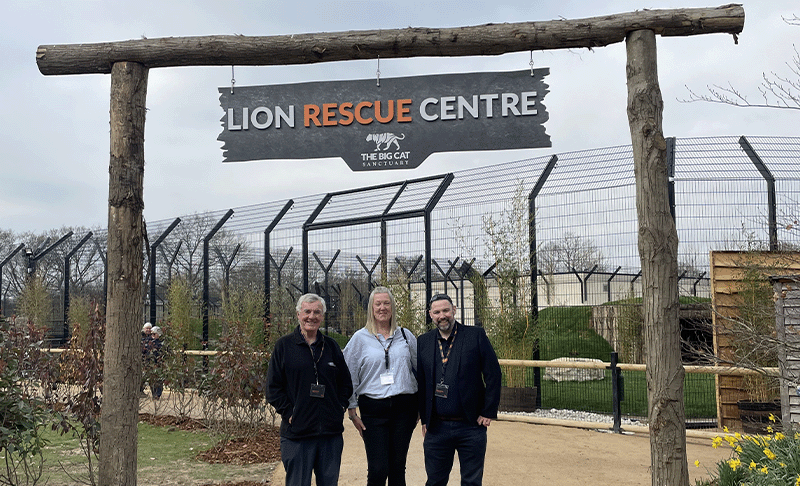
The Big Cat Sanctuary

WCI and the F.B. Coales Trust donated £50,000 to the Big Cat Sanctuary’s ‘Big Cats in Crisis’ fundraising appeal.

The registered animal charity looked to raise £500,000 to rescue five African lions from Ukraine and rehome them in a new purpose-built facility in the UK. As long-time neighbours and sponsors of the sanctuary’s conservation efforts, WCI and the Trust were delighted to lend their support.

All five lions were safely evacuated and are now settling into their new home in the Kent countryside. You can read more about this incredible story by clicking here.

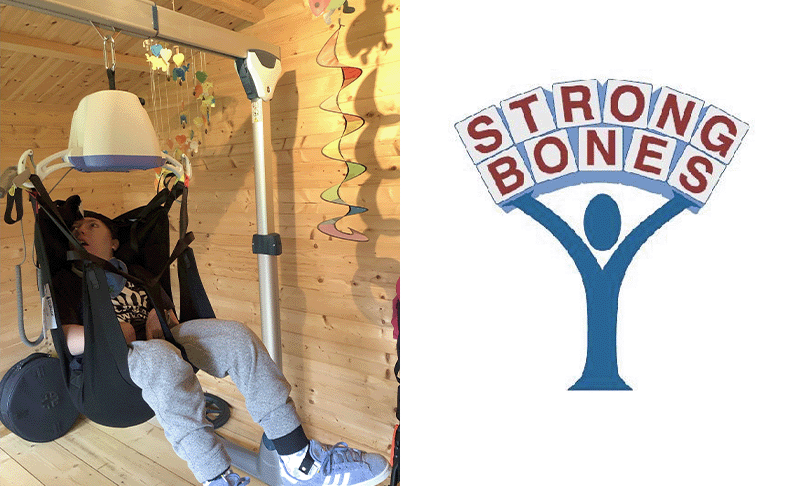
Strongbones

Strongbones Children’s Charitable Trust (www.strongbones.org.uk) provide multiple levels of support to children, young people and their parents and carers to help enrich their lives through inclusion, stimulation, inspiration and education.

In July 2024, WCI and the Trust were delighted to receive confirmation that a local young man called Fenton was already reaping the benefits of the portable gantry hoist that had recently been delivered to him. Portable hoists are a vital piece of equipment that provide the correct level of postural support to safely lift and move people who may no longer be safely manually lifted. The hoist has provided Fenton and his family with an essential aid to help with his daily living and movement requirements.

Liquid Listening

Formed in 2010, Liquid Listening (www.liquidlistening.org) enhances the health and well-being of disabled children and young people through the practice of music hydrotherapy and is the only charity of its kind in the UK.

Music hydrotherapy combines the benefits of traditional hydrotherapy relief with unique technology that enables participants to listen to soundwaves in the water. Each session promotes both full-body and mind relaxation that encourages positive mental wellbeing through engagement with music in a soothing, all-encompassing way.

Winn & Coales (Denso) Ltd (WCD) and the Trust contributed towards the delivery of music hydrotherapy training for eight members of staff at a local specialist school in Crayford, Southeast London. The school’s swimming teachers, physiotherapists and teaching assistants can now safely deliver musical hydrotherapy as part of the school’s curriculum, directly benefiting current pupils and future enrolees.

Lifelites @ Demelza

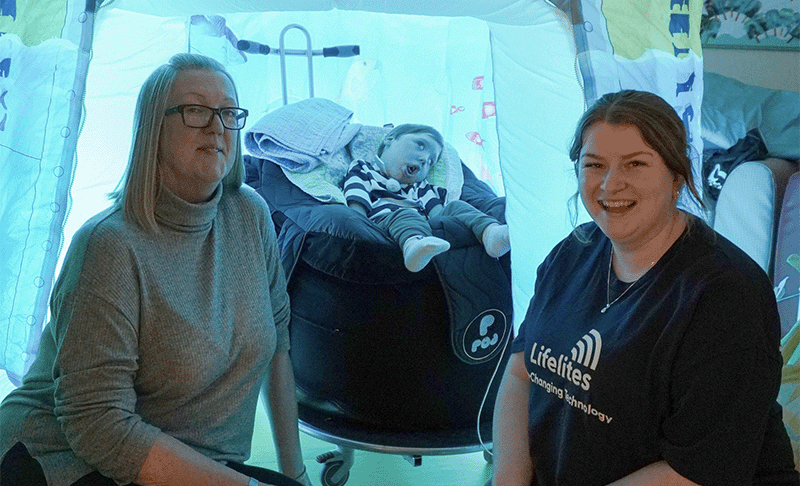
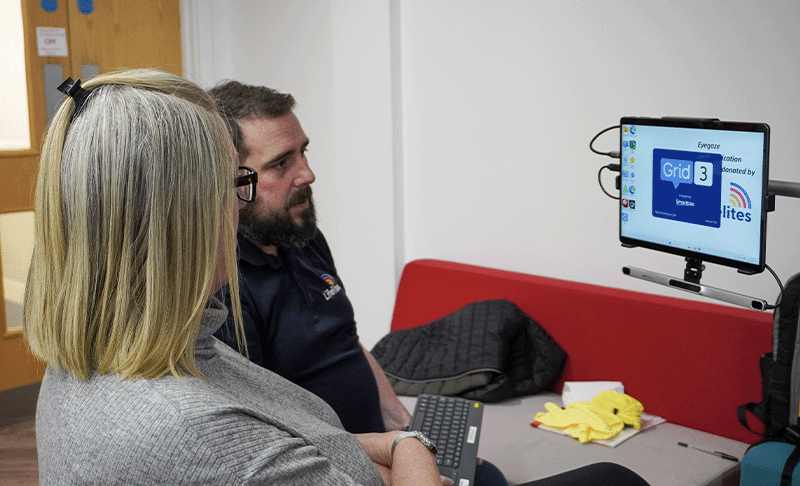
Sarah Hashmi visited Demelza SEL (www.demelza.org.uk) – a children’s charity and hospice in Eltham, Southeast London – in January 2025 to view the sensory equipment supplied by Lifelites (www.lifelites.org). Providing cutting-edge assistive and sensory technology, specialist training, and full maintenance support to children’s palliative care services throughout Britain and Ireland, Lifelites are long-time supporters of Demelza.

With the help of a generous donation from the F.B. Coales Trust, Lifelites were able to provide the hospice with the following equipment:

Eyegaze – revolutionary eye tracking technology: Empowering children to take control and make life-changing connections just through the movement of their eyes. Eyegaze is fully portable, enabling children to communicate, play and learn at the hospice or within the comfort and security of their own home.

PODS – sensory tents with adaptive environments: Our portable, inflatable sensory tents come with changeable themes, remote controlled internal lighting, complementing sound effects, and a matching audiobook. Perfect for the children we support to enjoy moments of adventure or calming environments.

Sarah was able to witness firsthand the difference these innovative technologies make to not only the children and young people who use them, but to their families and the palliative care teams as well.

Deen City Farm

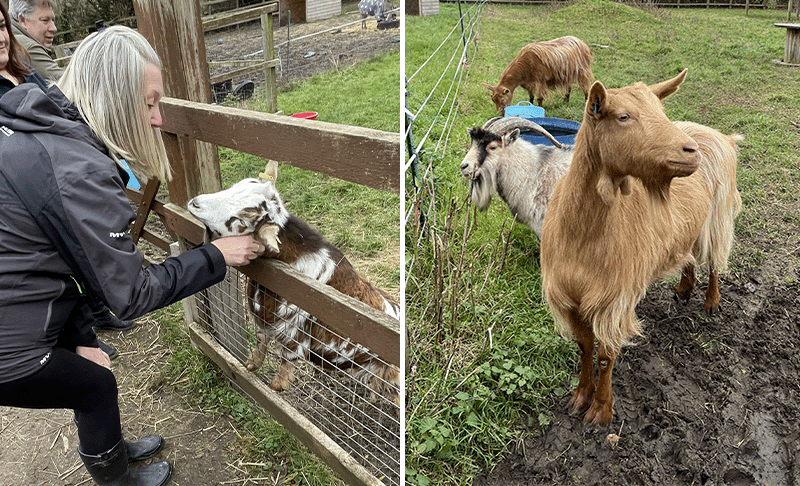
A country oasis in the heart of the London Borough of Merton, Deen City Farm (www.deencityfarm.co.uk) is one of the oldest urban farms in the capital. The charity focuses upon educating adults and children about the rural environment and animal husbandry, providing work experience, volunteering opportunities and educational activities for their local community. The farm also features a riding school that offers accessible riding lessons for people of all abilities, at subsidised prices.

WCD and the F.B. Coales Trust were impressed with the wide range of opportunities provided by the farm to educate individuals about a world usually found beyond the busy metropolitan environment. The Trust have therefore committed to sponsoring the farm’s ‘Schools Programme’ and ‘Annual Youth Volunteering Programme’ for the next 3 years, ensuring local children and young people – from all walks of life – can benefit from the unique learning experiences on offer.

Asthma Relief

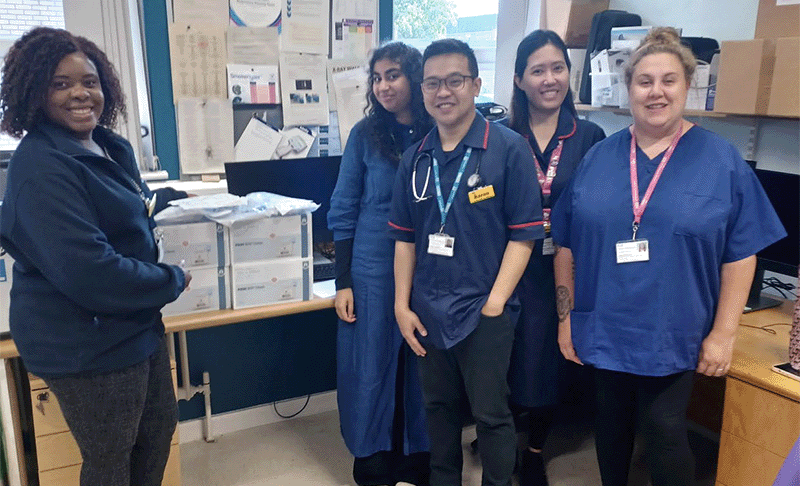
After an initial donation in 2023 which afforded the Asthma Relief team the chance to supply 11 nebulisers to medical establishments across South London, WCD and the Trust made a second donation in 2024, worth £2,000, to fund the purchase of 11 more nebulisers.

Nebulisers deliver high doses of medicine quickly and easily by converting it from liquid form into a fine mist. The mist is then breathed in through a facemask or mouthpiece to provide relief from respiratory diseases or disorders.

In 2024, Asthma Relief (www.asthmarelief.org.uk) were able to place the new nebulisers between 3 medical establishments across South London, including Guys Hospital in Southwark and Lewisham University Hospital.

Lewisham Donation Hub

The Lewisham Donation Hub (www.lewishamdonationhub.org) is a ‘multi-bank’ – they provide food, toiletries, clothing, household items and digital devices to those in need in the London Borough of Lewisham and neighbouring postcodes. Ran by an enthusiastic team of volunteers – many of whom started as users of the service themselves – the multi-bank provides invaluable support to families on low incomes, the elderly, people with disabilities, and individuals facing (or fleeing) challenging circumstances at home or abroad.

The Trust have donated £5,000 to this vital service to help towards ongoing operational costs including the purchase of spare parts for fixable household items donated to the charity and the procurement of basic food and toiletries for distribution to visitors of the service.


If you would like to find out more about the F.B. Coales Trust and some of the previous donations it has made, read more by clicking here.

White text on a blue background announcing Chiara Sorrentino as Denso's new Technical Director, with a picture of her alongside the announcement.
Big Cat Sanctuary - Denso

The grand opening of the Lion Rescue Centre

Strongbones - Denso

Fenton using his new portable gantry hoist

Lifelites Demelza - Denso

Sarah Hashmi learning about PODS sensory tents

Lifelites Demelza 2 - Denso

Sarah testing out Eyegaze technology at Demelza SEL

Deen City Farm - Denso

Deen City Farm in the London Borough of Merton

Asthma Relief - Denso

Nebulisers delivered to University Hospital Lewisham

Winn & Coales (Denso) Ltd Proudly Announce New Industry Memberships

Winn & Coales (Denso) Ltd (WCD) is pleased to announce that we have joined two esteemed organisations: the International Marine Purchasing Association (IMPA) and EUA Utility Networks. These strategic memberships demonstrate our commitment to advancing innovation, collaboration and best practices across the industries and territories we serve.

Strengthening Ties in the Marine Sector – IMPA Membership

IMPA is a respected international association that brings together shipowners, operators, and marine suppliers to promote ethical procurement, efficiency, and transparency in marine purchasing. By becoming a member of IMPA, we are deepening our connection with the global marine supply chain.

For over 95 years, WCD has been known for manufacturing and supplying high-performance, long-lasting corrosion prevention and sealing technologies. Through our new IMPA membership, we aim to share our expansive knowledge and experience of effective corrosion control and prevention systems, including our SeaShield™ range of subsea and splash zone coatings and Viscotaq™ viscoelastic coatings. We also look forward to engaging with fellow industry stakeholders and contributing to the continuous improvement of global marine procurement standards.

Andrew Stuart – Sales & Marketing Director, WCD – commented, “We’re excited to have joined this prestigious organisation that boasts almost half a century of experience in marine procurement and supply chain management.

With this new membership, we look forward to engaging with our peers and prospective customers both nationally and overseas, working together to propel the maritime industry forward.”

Expanding Influence in the Utility Sector – EUA Utility Networks

We are equally proud to join EUA Utility Networks, a specialist division of the Energy and Utilities Alliance. Utility Networks (UN) plays a vital role in shaping the future of utility infrastructure in the UK, particularly in the transition towards a more sustainable and efficient energy network.

Our renowned range of Denso™ petrolatum and bitumen tape wrap systems have long been the go-to products for the protection of pipelines, infrastructure and critical assets within the utilities sector. As a trusted supplier, we recognise the importance of collaborating with our peers and our membership with EUA UN provides an opportunity to work alongside the key players in the gas and energy sectors, sharing expertise and supporting the UK’s net-zero and resilience goals.

Oliver Capps – National Sales Manager – UK, WCD – commented, “Being involved in this network allows us to be a part of shaping the future of the industry and listening to the needs and requirements for long-term asset management and protection.

We look forward to collaborating with and learning from other members, attending various industry events, along with sharing our own knowledge and experiences.”

Winn & Coales (Denso) Ltd’s Viscotaq Offshore Field Joint Coating (OFJC) System Wins ‘Pioneers of Progress’ Award

Winn & Coales (Denso) Ltd (WCD) are delighted to announce that they have won the Pipeline Industries Guild’s ‘Pioneers of Progress’ award in the Subsea Pipeline category.

The annual Pipeline Industries Guild (PIG) Awards celebrate the significant technological advancements and efficiency improvements made by PIG member organisations, across a range of pipeline applications and projects, in the preceding twelve months. The awards also recognise individual Guild members for their outstanding contributions in professional endeavours that will go on to benefit the wider pipeline industry in the future.

Introduced in 1993, the Subsea Pipeline Award’s objective is to promote the development of new ideas in the general field of subsea pipeline technology. As featured in our news article from earlier this year, WCD manufactured and supplied an innovative field joint coating (FJC) system for an ambitious offshore pipelay campaign in June 2024. Meeting the requirements of the international standard ISO 21809-3, the Viscotaq Offshore Field Joint Coating (OFJC) System demonstrated the many advantages of applying a cold-applied viscoelastic FJC for the protection of subsea pipeline field joints, marking a significant step forward for the choice of corrosion prevention coatings available for use in offshore pipelay projects. For this highly innovative solution, WCD were honoured to be announced as the winner of the 2025 Subsea Pipeline Award.

Receiving the award on behalf of WCD at the PIG’s Pioneers of Progress – Guild Innovation awards evening, Oliver Capps – National Sales Manager (UK) – said, “It was my pleasure to receive this award on behalf of WCD, at what was a very informative and enjoyable event. This award was not just recognising the achievement of a successful application, but a celebration of true teamwork from across the global Winn & Coales International Ltd. group of companies.”

Steve Crawley – Managing Director, WCD – commented, “We have an extensive team of subject matter experts across the world working daily to expand the range of solutions we can provide. This award recognises their efforts and their commitment to the team.”

For more information about the project at the centre of this award win, you can read the full story by clicking here.

For more information related to the Pipelines Industries Guild awards, head to their website by clicking here.

(Photography courtesy of: Pipeline Industries Guild)